How Often Should a Super Clone Rolex Be Serviced, and Is the Cost Worth It?
Super clone watches, especially those modeled after iconic timepieces from Rolex, have become increasingly popular among enthusiasts who appreciate luxury design but prefer a more affordable alternative. These watches are designed to closely replicate the appearance and, in some cases, the mechanical structure of genuine luxury watches. However, when it comes to maintenance, super clone watches have different service needs, reliability levels, and cost considerations. Understanding how often they should be serviced and whether the maintenance cost is worthwhile is essential for owners who want to maximize their watch’s lifespan and performance.
Recommended Service Interval
In general, a super clone Rolex should be serviced every 2 to 3 years. This interval is shorter than that of a genuine luxury watch, which can often go 5 to 10 years between services. There are several reasons for this difference:
1. Movement Quality
Most super clone watches use modified Asian automatic movements, such as clone versions of the ETA 2824, 2836, or Rolex-style movements like the 3135 clone. While these movements can be impressively accurate, they are typically manufactured with less stringent quality control compared to genuine Swiss movements. Lubricants may degrade faster, and internal components may experience wear sooner.
2. Lubrication Durability
The oils used inside the movement help reduce friction between components. In super clone watches, the lubrication quality may be lower or applied less precisely, causing it to break down faster. This increases friction and accelerates wear if not serviced regularly.
3. Sealing and Waterproofing
Even if advertised as waterproof, most super clone watches do not have the same sealing reliability as genuine luxury watches. Over time, gaskets can deteriorate, increasing the risk of moisture entering the movement. Regular servicing helps prevent internal corrosion.
4. Daily Wear Factors
If you wear your super clone daily, service closer to every 2 years is ideal. If worn occasionally, you may extend it to 3 or even 4 years, but waiting too long increases the risk of costly damage.
Signs Your Super Clone Needs Servicing
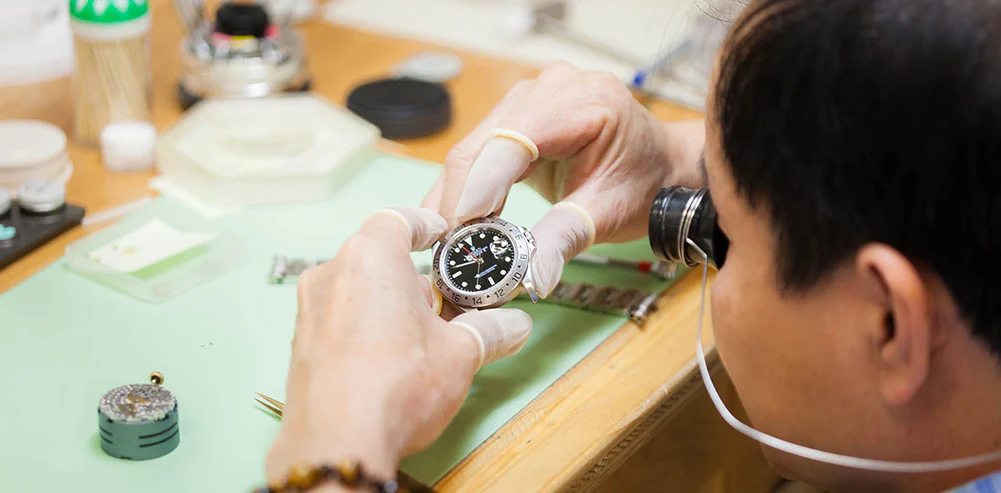
Besides the recommended schedule, you should service your watch immediately if you notice:
- Reduced power reserve
- Time running too fast or too slow
- Grinding or unusual noises
- Difficulty winding or setting the time
- Moisture under the crystal
Ignoring these warning signs can lead to permanent movement damage.
Typical Maintenance Costs
The cost of servicing a super clone Rolex varies depending on the movement complexity and the watchmaker’s experience. On average:
- Basic service (cleaning, oiling, regulation): $80–$150 USD
- Full service with parts replacement: $150–$250 USD
- Major repairs or movement replacement: $150–$300 USD
These costs are significantly lower than servicing a genuine luxury watch, which can easily exceed $500–$1,000.
Some owners choose to replace the entire movement instead of servicing it, especially if replacement clone movements are affordable. A replacement movement can cost between $80 and $200, making it a practical alternative.
Is the Maintenance Cost Worth It?
Whether maintenance is worth it depends on your goals, expectations, and emotional attachment to the watch.
Reasons why servicing is worth it:
1. Extends Watch Lifespan
Without maintenance, a super clone movement may last only 3–5 years. With proper servicing, it can last 8–15 years or longer.
2. Maintains Accuracy
Servicing keeps the movement clean and properly lubricated, allowing it to maintain good accuracy and smooth operation.
3. Protects Your Investment
High-quality super clones can cost $300–$800 or more. Spending $100–$200 every few years is reasonable to protect that investment.
4. Improves Reliability
Regular maintenance reduces the risk of sudden failure, especially if you rely on the watch daily.
Reasons some people skip servicing:
1. Replacement Can Be Cheaper
If a movement replacement costs about the same as servicing, some owners prefer replacement instead of repair.
2. Emotional vs. Practical Value
Unlike genuine luxury watches, super clones do not hold resale or collector value. Maintenance is purely for usability, not long-term financial return.
Best Strategy for Super Clone Owners
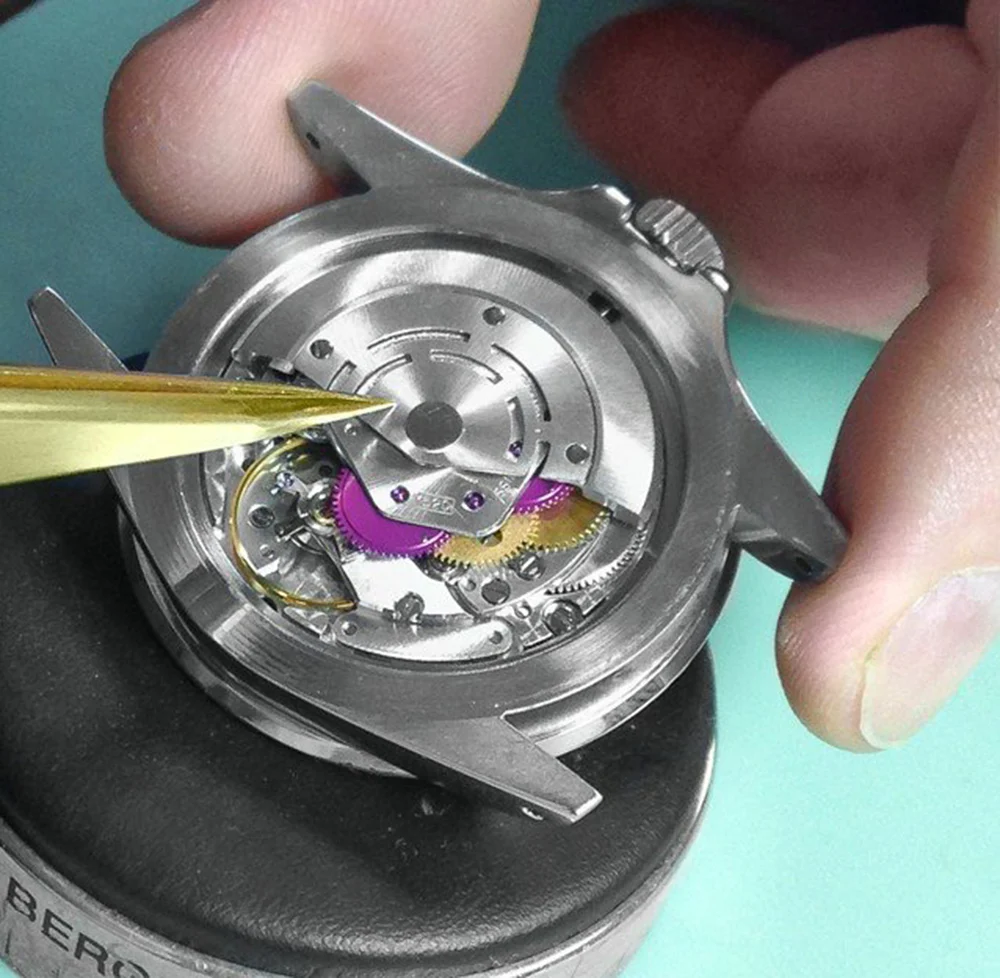
The most practical approach is a balanced one:
- Service every 2–3 years if you want maximum lifespan and reliability.
- Replace the movement if repair costs approach the price of a new movement.
- Avoid water exposure unless seals are tested and confirmed reliable.
- Store the watch properly when not in use.
If your super clone has sentimental value or exceptional build quality, servicing is definitely worth it. If it is simply a casual accessory, replacement may sometimes be the more economical option.
Conclusion
A super clone Rolex should generally be serviced every 2 to 3 years to maintain accuracy, reliability, and longevity. While the maintenance cost ranges from $80 to $250, it is usually worth it if you want to extend the watch’s lifespan and preserve its performance. However, because replacement movements are relatively affordable, some owners choose replacement instead of servicing.
Ultimately, the decision depends on how much you value the watch, how often you wear it, and whether you prioritize long-term reliability or short-term cost savings. With proper care and maintenance, a high-quality super clone can provide many years of enjoyable use.
Latest posts
Jua 24, 2026
Oct 10, 2025